
The Mink Brigade
How is it relevant today?

My grandma kept her minks in the back of the hall closet. Sometimes when we visited, I’d open the closet door and wade into the multiple fur coats, feeling them on my cheeks and holding them in my hands.
My Nanna had minks and she knew how to use them. I imagine she wore them to look good, feel powerful and get respect – and to contradict any voice in her head that said she wasn’t enough.
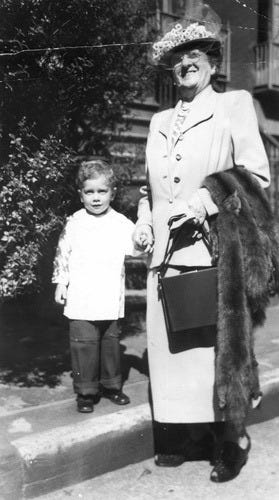
I just went looking for photos of my Nanna in a mink and I found these. This one below is my great grandma, Rose, with a mink over her arm, and my dad by her side.
The photo below is one of my favorites of my Nanna. It shows her as an activist with the League of Women Voters in 1959.
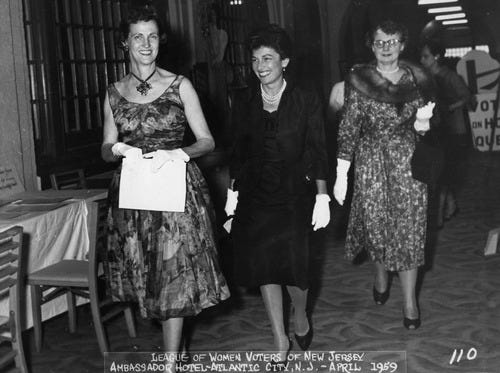
I like to think my grandma and great-grandma would have been part of a mink brigade if given the chance.
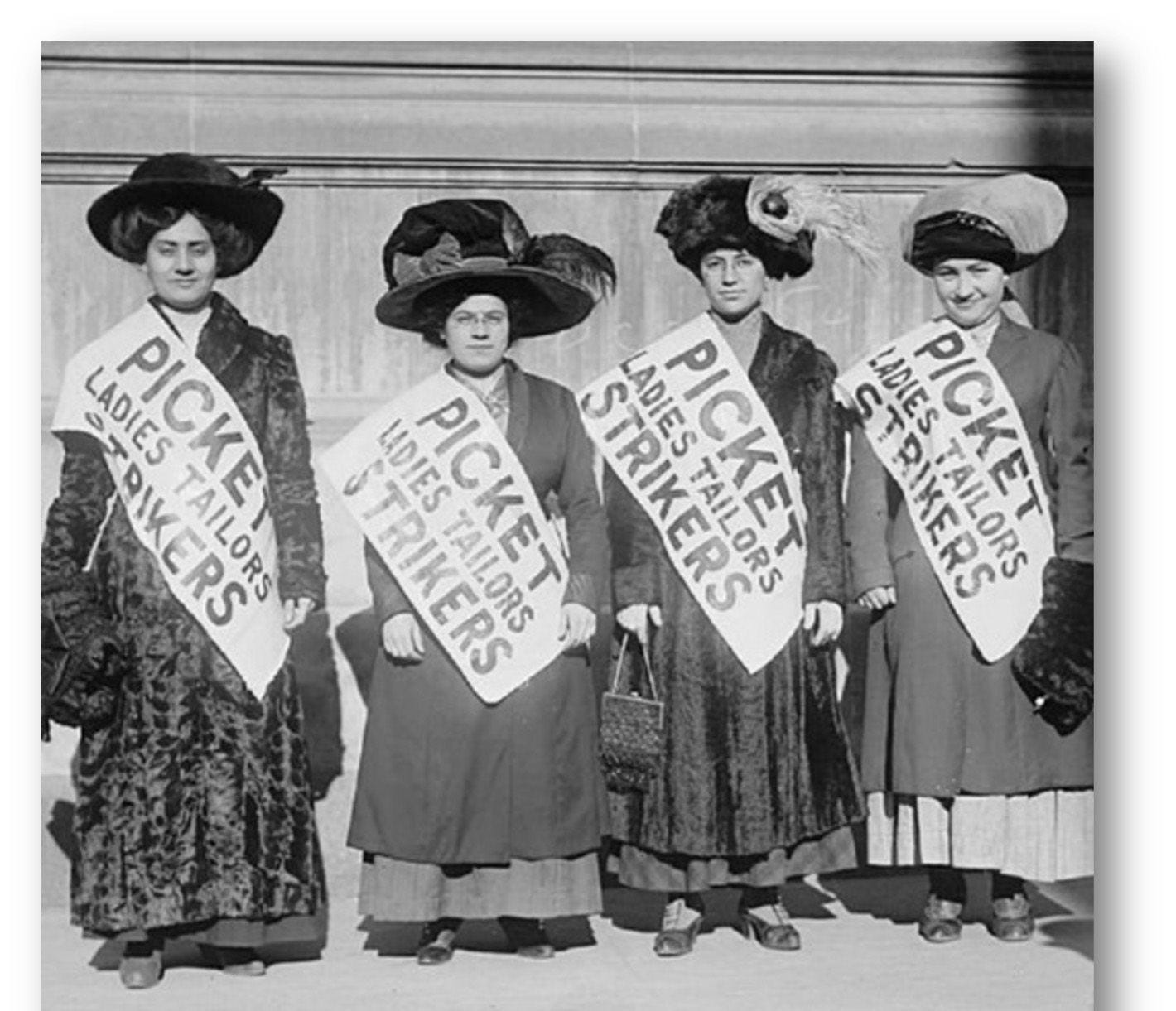
In 1909, at the corner of Washington Place and Greene Street in Greenwich Village, the factory workers were striking. It was winter in New York City and thousands of primarily Eastern European Jewish immigrant women were protesting the horrible working conditions in the garment factories where they were employed.
At the time, it was the largest strike by female workers in US history.
On the 24th of November, 15,000 workers walked off the job. A few days later, the estimate was up to 20,000-30,000 workers on strike. It became known as the “Uprising of 20,000”.
The women picketed for the next three months, throughout that winter, risking arrest and lost wages. Factory owners hired private detectives, off-duty police officers and local gangsters to intimidate, harass and beat up the women.
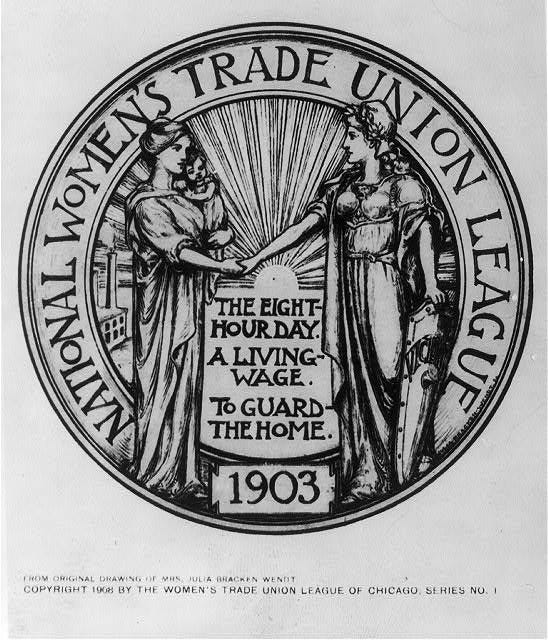
Through an organization called the Women’s Trade Union League (WTUL), they collaborated with wealthier women like Alva Belmont, Mary Dreir, Anne Morgan, Dorothy Whitney Straight, and Arabella Huntington. Alva Belmont was a multi-millionaire, socialite, suffragist and member of the Vanderbilt family. Whitney Straight belonged to the prominent Whitney family, and Arabella Huntington was at one point known as the richest woman in America. These women gave money to cover food and rent for the strikers, and donated money to bail funds.
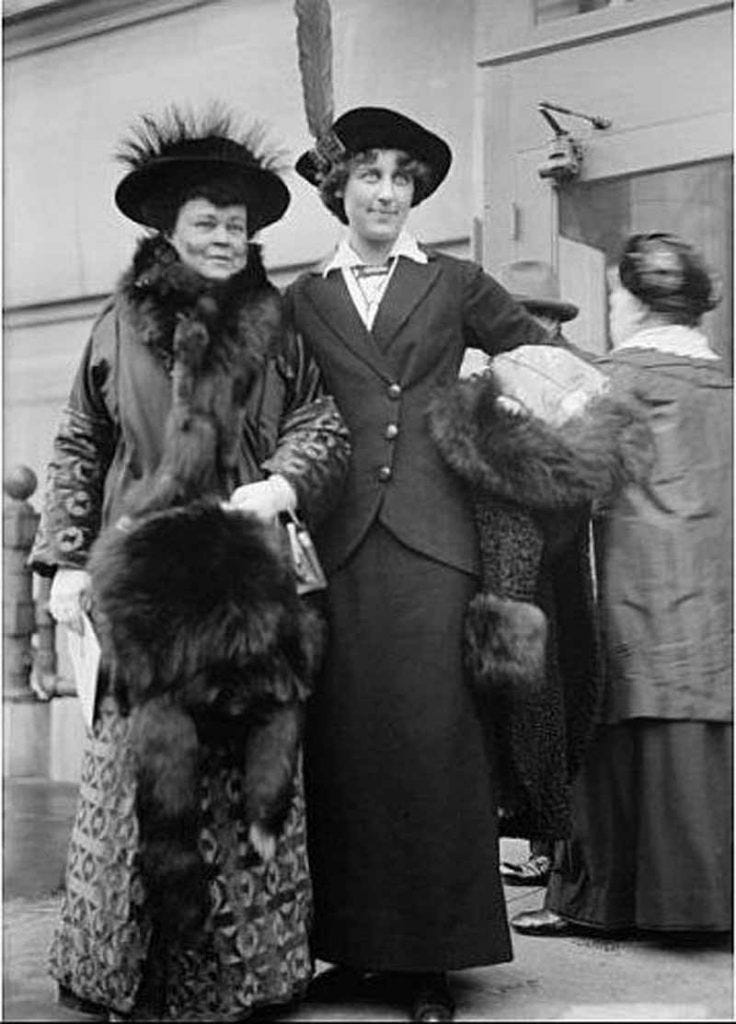
Anne Morgan, daughter of the banker JP Morgan, said to the New York Times: “If we come to fully recognize these conditions, we can’t live our own lives without doing something to help them, bringing them at least the support of public opinion.”
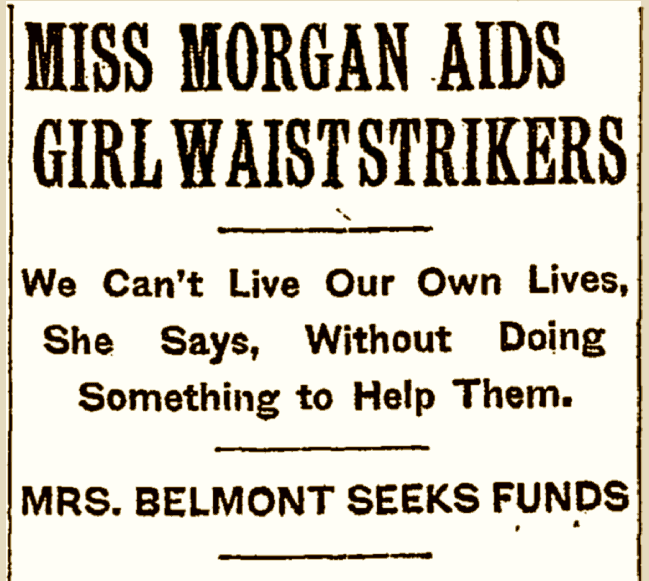
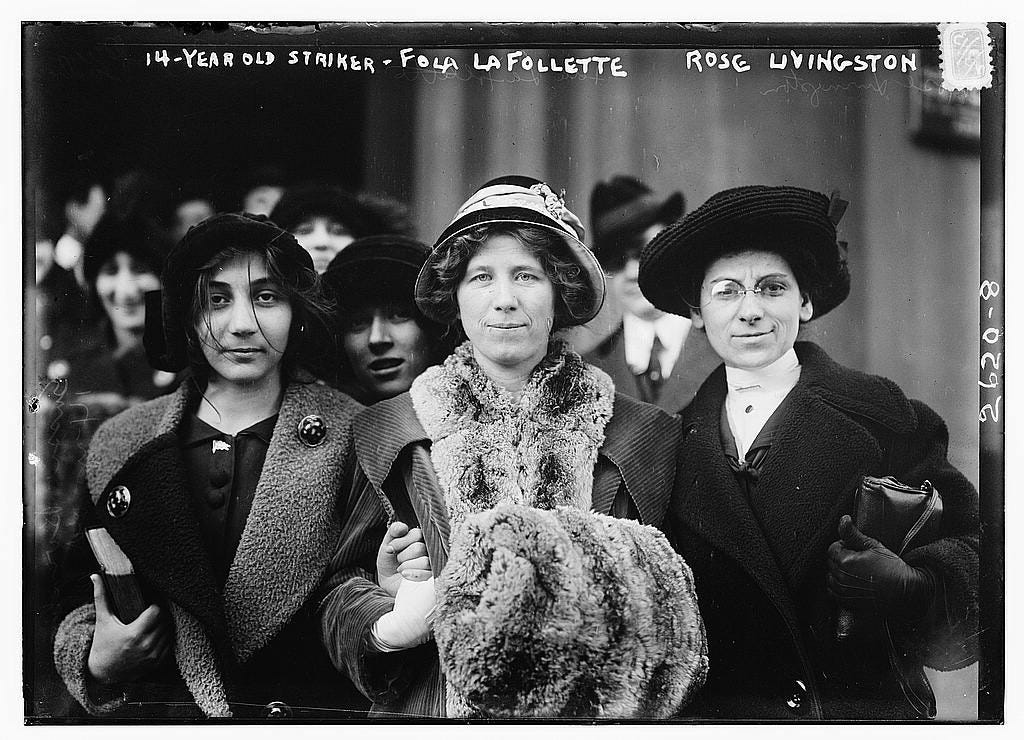
Some of these wealthy women joined the picket lines themselves. They knew that their presence would make the cops and the hired strike breakers more reluctant to beat or mistreat the workers. They were mockingly referred to as “the Mink Brigade.”
As union leader Rose Schneiderman wrote, the mink brigade “lent prestige and, more important, an aura of respectability to our demonstrations. This was most important for it helped to weaken the attempts of the unsympathetic to force the women back to work through prison sentences and physical violence.”
More of this story is written up in this excellent piece by the National Park Service:
The alliance between upper-class and working-class women was not without tension. Union women sometimes felt patronized by their wealthier allies. They argued that wealthy women could not understand what workers’ lives were like. They also pointed out the unfairness of a society that was shocked at violence against wealthy women, but unmoved when the victims were workers.
In 1911, a devastating fire at the Triangle Shirtwaist Factory in Greenwich Village made the stakes of the movement painfully clear. The factory managers had locked the doors to the stairwells to keep workers from taking unauthorized breaks. As a result, scores of them were trapped.
Of the factory’s five hundred employees, one hundred and forty-six died in the conflagration. Sixty-two of them died after falling or jumping from the building’s windows, trying to escape the flames. Most of the victims were women and girls, some as young as fourteen years old.
Following the fire, Rose Schneiderman gave an impassioned speech to the WTUL. She argued that money and sympathy from wealthy supporters was not enough:
“I would be a traitor to these poor burned bodies if I came here to talk good fellowship. We have tried you good people of the public and we have found you wanting… you have a couple of dollars for the sorrowing mothers, brothers, and sisters by way of a charity gift. … I know from my experience it is up to the working people to save themselves. The only way they can save themselves is by a strong working-class movement.”
Schneiderman and her allies continued to work to build this movement, but they did not give up on cross-class collaboration. The WTUL worked on protective legislation for women as well as suffrage.
In 1923, future First Lady Eleanor Roosevelt joined the WTUL. She and Schneiderman became close associates. Members of the “mink brigade” influenced the labor legislation of the New Deal and beyond.
I love this story.
What do I take from it?
Number one, I want to be part of a Mink Brigade. What a fun name!? What a brave, principled set of actions in support of workers! I want to be part of groups that are unafraid to put on our best rich people suits and ties, pearls and handbags…and use them as armor to lend respect and safety to our neighbors. I want to move money and support towards historic, feminist labor organizing, that will improve the material conditions for all.
I am reminded of the many ICE Watch volunteer groups popping up around the country, adopting street corners in their neighborhoods and cities. Quite often, these volunteers are middle class and white people, ready to use their class and racial privilege to help keep their communities safe.
I also love how the National Park Service doesn’t leave us with just a heroic story of a bunch of wealthy do-gooders. It names a still-so-common dynamic of wealthy supporters patronizing the poor and working class communities they are attempting to side with.
I love how Rose Schneiderman, in her quote, names the limitations of charity and the need for working people to support themselves…while still continuing to collaborate with the mink brigade to move forward important legislation for women and the labor movement. It reads like a speech that could be heard today.
I am reminded that cross-class solidarity is always complex and imperfect, while absolutely possible and necessary.
I am left thinking that we could use more creative examples of wealthy people leveraging our prestige and power to stop violence and oppression. I want to think more creatively about when and where it makes sense to rock our modern-day tuxes and furs.
I will say…we don’t need to have fur coats to do this. I am not a fan of killing more minks (which are endangered in some places).
But I am a fan of eye-catching ways we can leverage our voices and power on behalf of working people.
If you like this post and want to support Organize the Rich, please click the heart below, comment, share it with others, or restack it on Substack Notes.
Love your post and photos! It made me think of the legendary book Mink Coats Don't Trickle Down: The Economic Attack on Women and People of Color.
What a fantastic post. Thanks for diving into this history.